
Stillness, Service, and Seeing People Clearly: Leadership Lessons from the Veranda
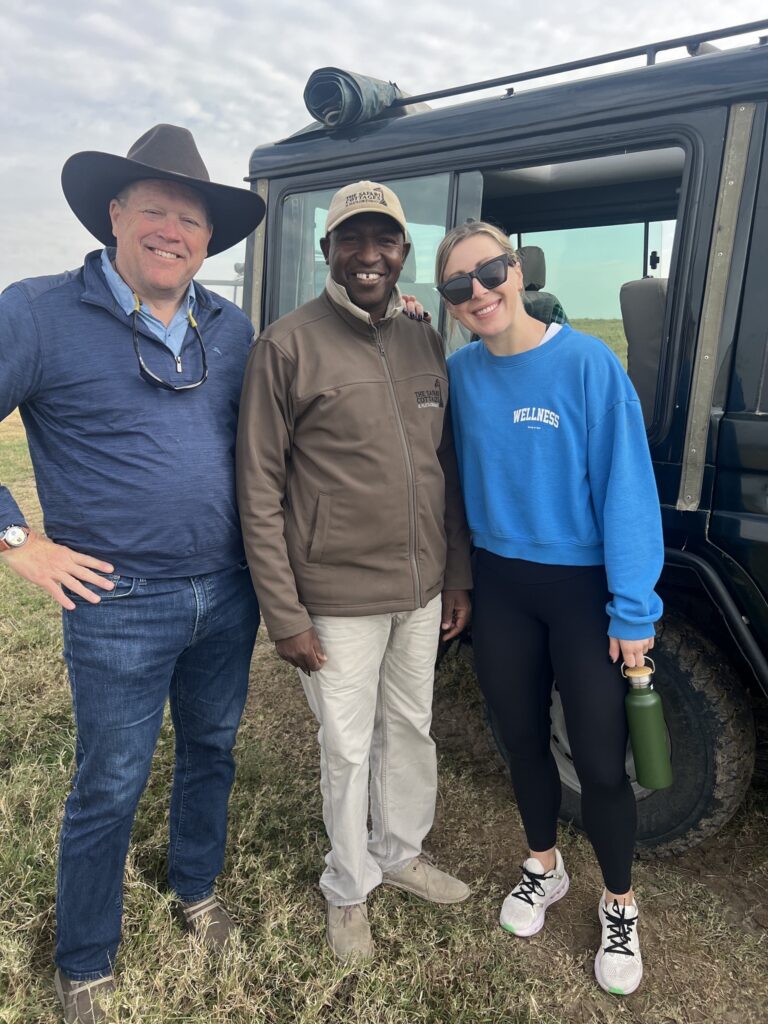
By the time our week in Kenya was drawing to a close, I realized something important: the most enduring leadership lessons of the trip didn’t just come from the animals.
They came from the people. And from the hours spent sitting still.
Much of our time at Ol Pejeta followed a predictable rhythm, early morning drives, shared meals, afternoon rest, evening outings. But some of the most meaningful moments happened when nothing was scheduled at all. Lynn and I would sit on the veranda of our cabin, coffee in hand, looking out over the bush. No agenda. No hurry. Just space.
At home, that kind of unstructured stillness is hard to come by – and it can feel unproductive. In Kenya, it felt essential.
The Gift of Slowness
From our veranda, the bush revealed itself gradually. Light shifted. Birds appeared and disappeared. Leaves moved in the breeze long before any animals showed themselves. It wasn’t dramatic. It was subtle.
And it required patience.
Leadership lesson #1: Slowness sharpens perception.
Fellow leader – often, in our various leadership roles, we’re rewarded for speed; quick decisions, rapid responses, constant motion. But sitting on that veranda also reminded me that at times, speed can dull our senses. When we slow down, we notice more: tone, posture, hesitation, presence. We see people more clearly.
The bush doesn’t rush. And because of that, it reveals itself to those willing to wait.
The People Who Made the Place
The staff at Ol Pejeta were extraordinary; not because they tried to impress us, but because they didn’t.
Immanuel arrived every morning with coffee, tea, and a few biscuits. Always on time. Always kind. Always quiet. No speeches. No small talk unless invited. Just faithful service.
Sam and the other drivers we had throughout the week navigated the bush with confidence and calm. They knew when to speak and when to let silence do the work. When animals appeared, these drivers didn’t rush us. They let us watch. Let us absorb. Let us ask. So, when we were ready to learn and grow, they were there for us.
Emmanuel. James. Michael. Sam.
Familiar Christian names spoken with Kenyan accents. Each one carried dignity, humility, and pride in their work. None of them acted like servants. All of them acted like stewards.
Leadership lesson #2: True service never diminishes authority; it reveals character.
They didn’t perform. They didn’t posture. They didn’t rush. And in doing so, they earned trust effortlessly.
Presence Is the Point
One afternoon, Lynn and I skipped a drive altogether. We stayed back, sat on the veranda, and did very little. No guilt. No sense of missing out.
And yet, I felt more present than I had in months.
Leadership lesson #3: Presence is not accidental. It is chosen.
In our organizations, we talk about being “people-first,” but then we fill every moment with urgency. We schedule back-to-back meetings. We answer emails while half-listening. We’re physically present but mentally elsewhere.
The people we met in Kenya were different. When they were with you, they were with you. Stillness. Attention. Patience in waiting for our rhythm.
That kind of presence communicates value without saying a word.
Faith Woven Quietly Into Work
Another thing that struck me was how naturally faith and work were integrated.
There were no sermons. No announcements. No performative spirituality. Faith showed up in names, in kindness, in consistency, in how people treated one another.
Work was done with excellence. People were treated with respect. Responsibility was taken seriously.
Leadership lesson #4: Beliefs shape behavior most powerfully when they’re lived quietly.
As leaders, it’s often tempting to declare our values loudly. Kenya reminded me that values are far more convincing when they’re embedded in daily behavior; especially when no one is watching.
Leading Without Needing the Spotlight
The longer we sat on that veranda, the more I noticed how little anyone there needed to be the center of attention.
The staff didn’t interrupt. They anticipated. They observed. They responded.
The bush itself reinforced the lesson. Nothing competed for attention. Nothing forced itself forward. Influence came through presence, not noise.
Leadership lesson #5: The best leaders don’t demand attention; they earn it.
In many leadership environments, visibility is confused with value. Kenya offered a different equation: value creates visibility, not the other way around.
What I Brought Home
Now, several months later, when I think back on Kenya, I remember the lions, zebras, elephants and giraffes; but more than that, I remember mornings on the veranda and the people who quietly made the experience what it was.
They taught me that leadership can be calm. That service can be strong. That slowness can be strategic.
And that sometimes, the most important leadership work we do happens when we stop doing; and start noticing.
Sitting on that veranda, looking out into the bush, I was reminded that leadership isn’t about filling every moment. It’s about creating space; for people, for clarity, for dignity, and for presence.
Fellow leader – that’s a lesson worth carrying home.
