Why the Best Leadership Events Feel More Like a Gathering Than a Conference
When you bring leaders together, the setting matters. The agenda matters. The speaker matters. But sometimes the most important part of the event happens before anyone steps onstage.
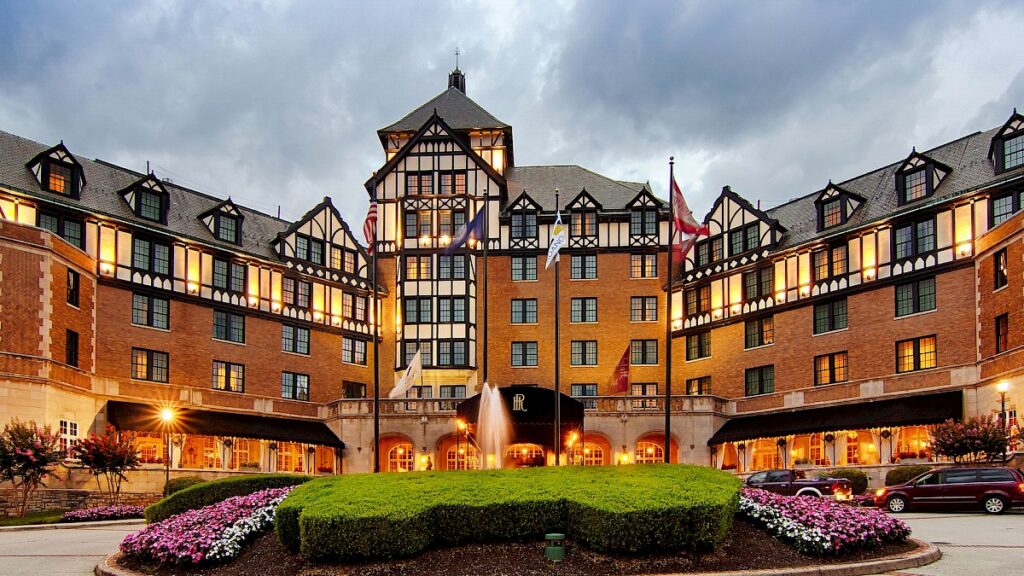
That was one of my biggest takeaways from a recent leadership retreat in Roanoke, Virginia, for a privately held, family-owned construction company. About 200 people gathered at the historic Hotel Roanoke for a leadership event that included a broad cross-section of the organization, from frontline leaders to senior executives. Spouses and families were part of the experience as well.
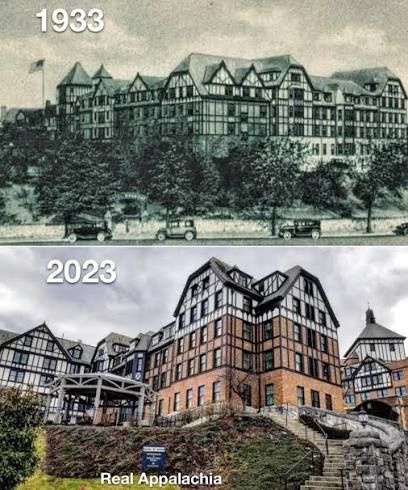
The setting seemed particularly appropriate. The Hotel Roanoke has been part of the city since 1882, when it was built by the Norfolk and Western Railway as Roanoke was emerging as a major railroad center. For generations, people have gathered there for business meetings, conventions, civic events, celebrations, and conversations that helped shape the region. The hotel itself has survived change, expansion, closure, restoration, and reinvention while maintaining a strong connection to its history. (The Hotel Roanoke & Conference Center)
There is something fitting about talking about leadership in a place like that. Healthy organizations also have to think about legacy. They have to preserve what matters while preparing people to lead through whatever comes next.
That theme was evident throughout this company’s retreat. This was not simply a group of managers attending another corporate training session. It felt more like a gathering of people connected by shared work, shared history, and shared responsibility for the future of the company.
The night before my keynote, my wife, Lynn, and I attended the kickoff dinner. We sat with several crew leaders whose work regularly takes them from job to job. Those conversations mattered because before I ever stood in front of the full group, I had already heard some of the language, experiences, and realities of the people doing the work every day.
That is one of the most important lessons for anyone planning leadership development. You cannot understand a company simply by reading its website or talking with the executive team. You need to understand the people in the field, the people leading crews, the people solving problems, and the people whose decisions affect customers and coworkers every day.
The retreat also reinforced another important principle: leadership development should not be reserved for the people with the biggest titles. When frontline managers, senior executives, and other leaders learn together, they begin to develop a shared language.
That matters because culture is built through thousands of everyday interactions. A superintendent, foreman, project manager, vice president, or executive may operate at a different level of the organization, but many of the leadership questions are remarkably similar: How do you earn trust? How do you influence people? How do you respond when things go wrong? How do you communicate expectations? How do you take care of people while still holding a high standard?
Those conversations become more powerful when different levels of the organization are having them together. The inclusion of spouses and families also said something important. Leadership does not exist in a vacuum. The people who carry responsibility at work also have lives, relationships, and commitments outside the company. When an organization acknowledges that broader reality, a leadership event can feel much more human.
The Hotel Roanoke added another layer to that experience. Its history is a reminder that enduring institutions do not remain healthy by standing still. They preserve what is worth keeping, adapt when necessary, and invest in what will carry the organization into the future. The hotel itself was restored and reopened in 1995 with its historic character intact and a modern conference center added alongside it.
That is not a bad picture of leadership development.
The best retreats do more than deliver information. They create space to think, generate conversations people would not normally have, strengthen relationships across levels of the organization, and give people something practical to carry back into the work.
That is the standard I increasingly use when thinking about a leadership event. A successful keynote should be memorable. A successful leadership gathering should still be affecting how people lead after everyone has gone home.